Aglaonema Red: The Perfect Addition to Your Plant Collection
Are you looking for a stunning plant that can add color and life to your indoor space? Look no further than Aglaonema Red! This beautiful houseplant has vibrant red foliage that will make any room pop. In this blog post, we'll explore everything you need to know about Aglaonema Red, from its care requirements to the benefits it can bring to your home.
Aglaonema Red is a popular houseplant that is known for its eye-catching red leaves. It is native to Southeast Asia and is a member of the Araceae family. This plant is also known by other names such as Chinese Evergreen and Philippine Evergreen. Aglaonema Red is a great addition to any home or office because it is easy to care for and can thrive in low-light conditions.
Here's what you need to know about caring for Aglaonema Red:
1. Light Requirements
Aglaonema Red is a low-light plant and prefers indirect sunlight. It can tolerate low-light conditions, which makes it perfect for those who have limited natural light in their homes. If you place the plant in direct sunlight, the leaves will burn and turn yellow.
2. Watering Requirements
Aglaonema Red requires moderate watering. You should water the plant once a week, but be sure not to overwater it. Overwatering can lead to root rot, which can be fatal for the plant. Use well-draining soil and make sure the pot has drainage holes to prevent water from accumulating at the bottom.
3. Temperature Requirements
Aglaonema Red prefers warm temperatures between 60-85°F (15-29°C). It can tolerate cooler temperatures but should not be exposed to temperatures below 55°F (13°C).
4. Humidity Requirements
Aglaonema Red prefers high humidity levels, but it can tolerate lower humidity levels as well. You can increase the humidity around the plant by placing a humidifier near it or by misting the leaves with water.
5. Soil Requirements
Aglaonema Red requires well-draining soil that is rich in nutrients. You can use a mix of peat moss, perlite, and vermiculite to create a well-draining soil mix.
6. Fertilizer Requirements
Aglaonema Red requires regular fertilization to maintain healthy growth. You should fertilize the plant once a month during the growing season (spring and summer) with a balanced fertilizer.
7. Propagation
Aglaonema Red can be propagated through stem cuttings. Take a stem cutting with at least one node and place it in a pot with well-draining soil. Keep the soil moist and in a warm, bright location until the new plant begins to grow.
8. Pests and Diseases
Aglaonema Red is relatively pest-free, but it can be susceptible to spider mites and mealybugs. To prevent these pests, keep the plant clean and free of dust. If you notice any signs of infestation, treat the plant with insecticidal soap.
9. Benefits of Aglaonema Red
Aglaonema Red is not only a beautiful addition to your home, but it also has several benefits. It can purify the air by removing toxins such as benzene, formaldehyde, and trichloroethylene. This makes it a great plant for those who suffer from allergies or respiratory issues.
10. Toxicity
Aglaonema Red is toxic to pets and humans if ingested. The plant contains calcium oxalate crystals that can cause irritation and swelling in the mouth and throat. Keep the plant out of reach of children and pets.
Aglaonema Red is a beautiful and easy-to-care-for houseplant that can bring life and color to your indoor space. With its vibrant red leaves and air-purifying benefits, it's the perfect addition to any home or office. Remember to provide it with low-light conditions, well-draining soil, and moderate watering to keep it healthy and thriving.
Frequently Asked Questions
Q1. Can Aglaonema Red be grown outdoors?
A1. Aglaonema Red is a tropical plant and is best suited for indoor growing. It can be grown outdoors in warm, humid climates but should be protected from direct sunlight and extreme temperatures.
Q2. How often should I fertilize Aglaonema Red?
A2. You should fertilize Aglaonema Red once a month during the growing season (spring and summer) with a balanced fertilizer.
Q3. Can Aglaonema Red tolerate low-light conditions?
A3. Yes, Aglaonema Red is a low-light plant and can tolerate low-light conditions. It prefers indirect sunlight and can become damaged if exposed to direct sunlight.
Q4. How do I propagate Aglaonema Red?
A4. Aglaonema Red can be propagated through stem cuttings. Take a stem cutting with at least one node and place it in a pot with well-draining soil. Keep the soil moist and in a warm, bright location until the new plant begins to grow.
Q5. Is Aglaonema Red toxic to pets?
A5. Yes, Aglaonema Red is toxic to pets and humans if ingested. The plant contains calcium oxalate crystals that can cause irritation and swelling in the mouth and throat.
Q6. How do I prevent pests on Aglaonema Red?
A6. To prevent pests on Aglaonema Red, keep the plant clean and free of dust. If you notice any signs of infestation, treat the plant with insecticidal soap.
Q7. How often should I water Aglaonema Red?
A7. You should water Aglaonema Red once a week, but be sure not to overwater it. Overwatering can lead to root rot, which can be fatal for the plant.
Q8. Does Aglaonema Red require high humidity levels?
A8. Aglaonema Red prefers high humidity levels, but it can tolerate lower humidity levels as well. You can increase the humidity around the plant by placing a humidifier near it or by misting the leaves with water.
Q9. What are the benefits of Aglaonema Red?
A9. Aglaonema Red can purify the air by removing toxins such as benzene, formaldehyde, and trichloroethylene. This makes it a great plant for those who suffer from allergies or respiratory issues.
Q10. Can Aglaonema Red be grown in a hanging basket?
A10. Yes, Aglaonema Red can be grown in a hanging basket as long as it has well-draining soil and moderate watering.
12 Aglaonema red Images

Aglaonemas Plant Care And Collection Of Varieties Gardenorg Plant

Pin On Garden
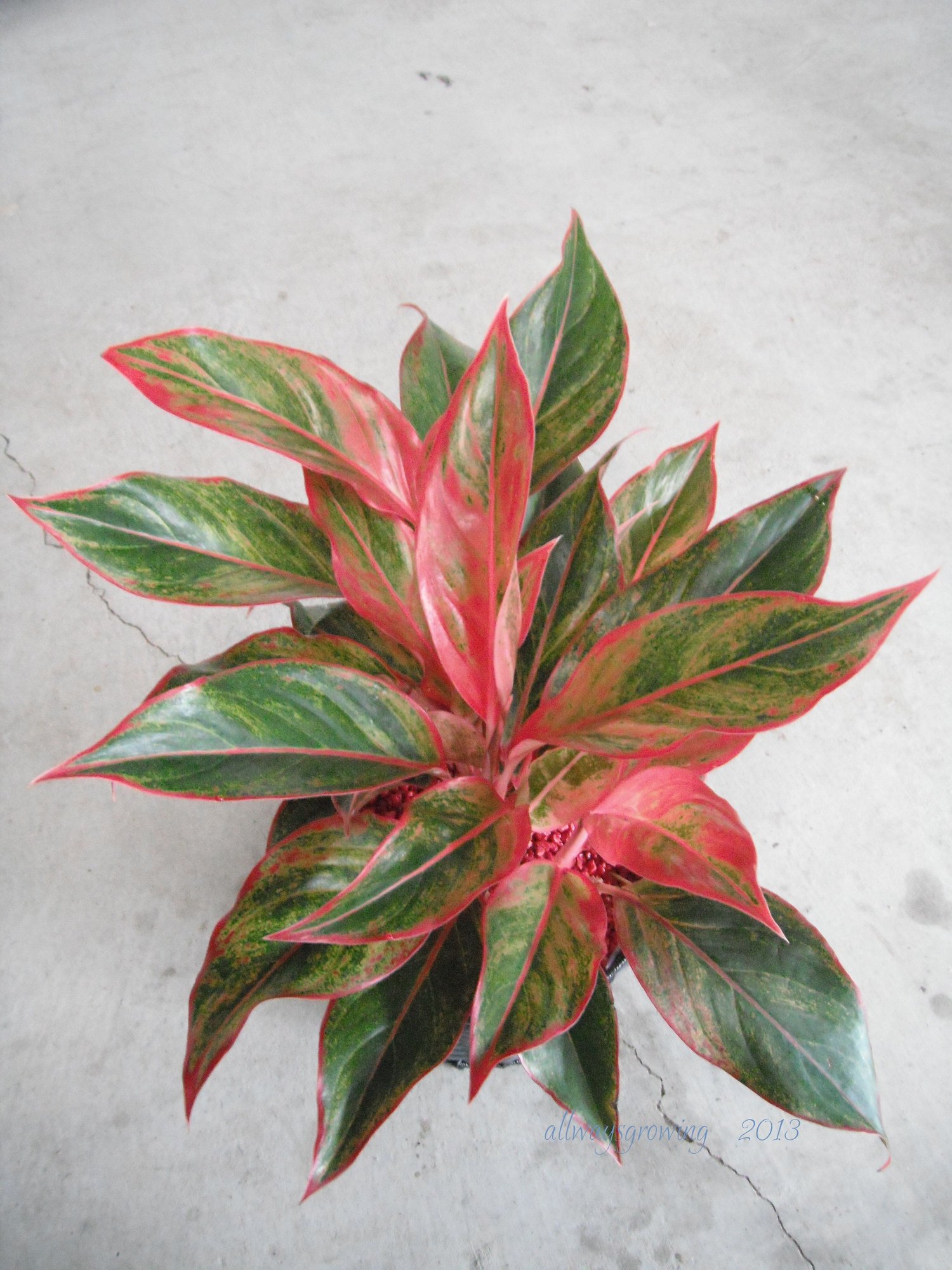
Aglaonema Commutatum Red Edge Plants Houseplants Red

Aglaonema Hybrid Collections Ide Berkebun Tanaman Hias Daun Tanaman

Red Aglaonema Plants Garden Red

Red Aglaonema Flowers Pinterest

Aglaonema Stardust Chinese Evergreen Plant Plant Aesthetic

Red Emerald Aglaonema Overgrown 6 Pot In 2020 Plant Leaves Plant

Aglaonema Super Red BLOMSTER Pinterest Horticulture Plants And

Aglaonema Chinese Evergreen Names Pink Dalmatain In Our Farms

Buy Aglaonema Siam Aurora Aglaonema Lipstick Chinese Evergreen Red

116 Best Images About Aglaonema On Pinterest
Post a Comment for "Aglaonema Red: The Perfect Addition to Your Plant Collection"